Helpful Tips and Advice for Caring Pet Owners, sponsored by CANIDAE Natural Pet Food Company.
Mobile? Subscribe here.
Showing posts with label dogs. Show all posts
Monday, April 29, 2013
How to Tell if You're a Hopeless Pet Lover
By Linda Cole
I don't remember a time when I didn't have a pet around. Not even when I went to college. Yep, I snuck my kitten in to be my dorm roommate. I admit to being a hopeless pet lover; it’s a label I'm happy to wear since I can’t seem to get all of the dog and cat hair brushed off my clothes. When a pet has captured our heart, the only thing we can do is look for those telltale signs that show how hopeless of a pet lover we've become. Take this fun quiz to see just how hopeless!
1. The color coded pie chart you made for household expenses (red), entertainment (blue), food (yellow) and pet expenses (green)...
A. Has way more green on it than any other color.
B. Was eaten by the dog, who mistook it for homework.
C. Has become the cat's favorite place to sit since you canceled the newspaper to cut back on household expenses.
2. After you've met the new neighbors, you...
A. Can remember the names of their pets, but not the names of their kids.
B. Joke after they leave about their dog's fancy collar and coat while adjusting your dog's biker vest and Doggles.
C. Wonder if their pie chart looks like yours.
3. People know you have a dog just by looking inside your vehicle because...
A. All of the windows are “decorated” with nose prints and paw prints.
B. Chew toys, tennis balls, dog treats, leashes, water bowls and “dog doody pick up bags” litter the backseat.
C. You have to remove the blanket covering the passenger seat before allowing someone to sit there.
Friday, October 26, 2012
Meet the Pets of CANIDAE Staff Members
By Julia Williams
Two animal loving friends, John Gordon and Scott Whipple, started the CANIDAE Natural Pet Food Company in 1996. These “ordinary guys” and their families founded CANIDAE with a desire and a plan to make the finest natural pet food products possible. Today, the company is still family owned and operated, and still very much committed to providing dogs, cats and horses with premium quality pet food. It stands to reason, then, that everyone who works at CANIDAE is also an animal lover. Many employees even bring their dogs to work with them – because any task becomes infinitely more enjoyable with a canine friend by your side! We thought you might enjoy getting to know some of the “Pets of the CANIDAE staff,” so here they are:
Greg Henley: Max, 4 year old Maltese
What do you love most about your pet? I love everything about him – he loves me unconditionally.
Does your pet have any quirks? He is grouchy in the morning – don’t try to get him out of bed before he is ready.
What are your pet’s favorite activities? He loves to play with his rope tug toy.
What one word best describes your pet’s personality? Playful
If your pet could talk, what would they say about their CANIDAE food? “More canned food and TidNips please!!”
Kristine Matsuura: Hailey, 3 year old yellow Labrador
What do you love most about your pet? She is the sister I never had.
Does your pet have any quirks? She is a Princess and all the toys are hers.
What are your pet’s favorite activities? Going jogging with me, and going with me wherever I go.
What one word best describes your pet’s personality? Princess
If your pet could talk, what would they say about their CANIDAE food? “May the bag never go empty!”
Diane Matsuura: Breezie, 6 year old yellow Labrador
What do you love most about your pet? She gives the best hugs.
Does your pet have any quirks? She hogs the bed or couch.
What are your pet’s favorite activities? She loves Splash Dogs Dock Diving. Right now she is on maternity leave from sports and is home taking care of 6 puppies.
What one word best describes your pet’s personality? Mushy
If your pet could talk, what would they say about their CANIDAE food? “The best food ever!”
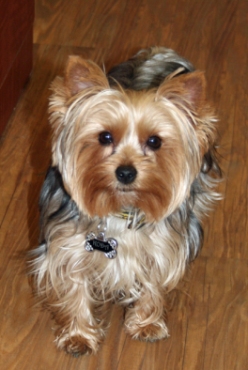
Scott Whipple: Koda, 1 year old Yorkshire terrier
What do you love most about your pet? She cuddles with me on the couch.
Does your pet have any quirks? She doesn’t like baths and brushing.
What are your pet’s favorite activities? She loves to chase squirrels and lizards in the back yard.
What one word best describes your pet’s personality? Cuddly
If your pet could talk, what would they say about their CANIDAE food? “Treats are my favorite!”
Two animal loving friends, John Gordon and Scott Whipple, started the CANIDAE Natural Pet Food Company in 1996. These “ordinary guys” and their families founded CANIDAE with a desire and a plan to make the finest natural pet food products possible. Today, the company is still family owned and operated, and still very much committed to providing dogs, cats and horses with premium quality pet food. It stands to reason, then, that everyone who works at CANIDAE is also an animal lover. Many employees even bring their dogs to work with them – because any task becomes infinitely more enjoyable with a canine friend by your side! We thought you might enjoy getting to know some of the “Pets of the CANIDAE staff,” so here they are:
Greg Henley: Max, 4 year old Maltese
What do you love most about your pet? I love everything about him – he loves me unconditionally.
Does your pet have any quirks? He is grouchy in the morning – don’t try to get him out of bed before he is ready.
What are your pet’s favorite activities? He loves to play with his rope tug toy.
What one word best describes your pet’s personality? Playful
If your pet could talk, what would they say about their CANIDAE food? “More canned food and TidNips please!!”
Kristine Matsuura: Hailey, 3 year old yellow Labrador
What do you love most about your pet? She is the sister I never had.Does your pet have any quirks? She is a Princess and all the toys are hers.
What are your pet’s favorite activities? Going jogging with me, and going with me wherever I go.
What one word best describes your pet’s personality? Princess
If your pet could talk, what would they say about their CANIDAE food? “May the bag never go empty!”
Diane Matsuura: Breezie, 6 year old yellow Labrador
What do you love most about your pet? She gives the best hugs.
Does your pet have any quirks? She hogs the bed or couch.
What are your pet’s favorite activities? She loves Splash Dogs Dock Diving. Right now she is on maternity leave from sports and is home taking care of 6 puppies.
What one word best describes your pet’s personality? Mushy
If your pet could talk, what would they say about their CANIDAE food? “The best food ever!”
Scott Whipple: Koda, 1 year old Yorkshire terrier
What do you love most about your pet? She cuddles with me on the couch.
Does your pet have any quirks? She doesn’t like baths and brushing.
What are your pet’s favorite activities? She loves to chase squirrels and lizards in the back yard.
What one word best describes your pet’s personality? Cuddly
If your pet could talk, what would they say about their CANIDAE food? “Treats are my favorite!”
Monday, April 18, 2011
Two Acts of Loyalty after Japan's Earthquake and Tsunami
By Linda Cole
Natural disasters can happen in the blink of an eye, and people and animals caught in nature's fury have their lives changed in a matter of minutes. Even with all the destruction, life goes on as stories of survival emerge from the rubble. Japan's earthquake and tsunami devastated so many lives, but some were saved because of the devotion of dogs.
As an animal lover, when natural disasters happen I worry about the pets that are caught up in something they don't understand. Pets that suddenly find themselves wandering through debris and shivering through cold nights with no shelter, food or clean water and no comforting voice from the ones they love.
Since the earthquake and tsunami struck Japan, videos and stories of survival have been popping up on Facebook. One video in particular captured my attention. It shows two dogs left homeless by the devastation. One dog is injured and his friend stands guard over him in a true display of loyalty. When this video began to appear, the person posting it left a comment saying, “This is a hard video to watch. It's heartbreaking.” So I passed it by not wanting to watch something I knew would make me cry. But it stuck with me as the days passed and I kept thinking about the dogs and wondering what their fate was.
The video was shot by a Japanese reporter and his cameraman surveying the destructive power of the tsunami in an area called Arahama. A dog approached but stayed a comfortable distance away from them. He gave a bark as if saying, “That's close enough,” and went back to another dog lying in the background in front of a large metal barrel resting on its side. It's obvious the dog was protecting his injured friend. Both dogs were muddy, wet, cold and probably hungry. No one knows how long they had been together, but it's believed they knew each other. The uninjured dog wore a collar, so he was at least someone's pet. The good news is, both dogs were rescued. The dog guarding his friend was taken to a shelter, and the injured dog was taken to a vet where he is being cared for.
One story of survival that has stayed with me recounted a 12 year old Shih Tzu named Babu and her owner, 83 year old Tami Akanuma, who rode out the earthquake in their home. Babu is not a dog who enjoys walks, but on the day of the earthquake, she insisted on going for a walk when the lights in the house began to flicker. Once outside, instead of following Tami, Babu yanked on her leash and went in the opposite direction towards a nearby hill. Each time Tami stopped to rest, Babu would urge her to keep moving by pulling on her leash to get Tami to move faster. Babu finally relaxed and stopped pulling, and Tami was amazed to have discovered they had walked a little over half a mile in just a few minutes. As she turned around to look down the hill, the tsunami crashed through her coastal town and Tami's home was destroyed, along with everything else in the area.
Those of us who are close to our pets aren't surprised by these two stories of devotion, but they are nonetheless humbling because they remind us how the strong bond we've built with our pets goes both ways. Even between two dogs.
I do think animals have an ability to predict the weather to a certain extent, and I'm sure Babu sensed the tsunami. She could have raced outside and left Tami behind – but she didn't. Babu knew her job was to lead Tami to higher ground because of the impending danger she sensed. The uninjured dog in the first story could have taken off on his own to find shelter and food – but he didn't. His devotion kept him by the side of his injured friend. Loyalty and love run deep once a bond and trust has been formed, and not even an earthquake's destruction nor a tsunami could break their bond.
This isn't a feel bad story. It's a reminder to love your pet each and every day, and never take them for granted. It's a reminder to “see” stray cats or dogs who are trying to survive the best they can because they could be someone's lost pet. It's a reminder to treat every animal with respect and realize how precious they all are. It's a reminder to give the people and pets you love an extra hug. Life and security should never be taken for granted, because both can be changed in the blink of an eye.
Read more articles by Linda Cole
Natural disasters can happen in the blink of an eye, and people and animals caught in nature's fury have their lives changed in a matter of minutes. Even with all the destruction, life goes on as stories of survival emerge from the rubble. Japan's earthquake and tsunami devastated so many lives, but some were saved because of the devotion of dogs.
As an animal lover, when natural disasters happen I worry about the pets that are caught up in something they don't understand. Pets that suddenly find themselves wandering through debris and shivering through cold nights with no shelter, food or clean water and no comforting voice from the ones they love.
Since the earthquake and tsunami struck Japan, videos and stories of survival have been popping up on Facebook. One video in particular captured my attention. It shows two dogs left homeless by the devastation. One dog is injured and his friend stands guard over him in a true display of loyalty. When this video began to appear, the person posting it left a comment saying, “This is a hard video to watch. It's heartbreaking.” So I passed it by not wanting to watch something I knew would make me cry. But it stuck with me as the days passed and I kept thinking about the dogs and wondering what their fate was.
The video was shot by a Japanese reporter and his cameraman surveying the destructive power of the tsunami in an area called Arahama. A dog approached but stayed a comfortable distance away from them. He gave a bark as if saying, “That's close enough,” and went back to another dog lying in the background in front of a large metal barrel resting on its side. It's obvious the dog was protecting his injured friend. Both dogs were muddy, wet, cold and probably hungry. No one knows how long they had been together, but it's believed they knew each other. The uninjured dog wore a collar, so he was at least someone's pet. The good news is, both dogs were rescued. The dog guarding his friend was taken to a shelter, and the injured dog was taken to a vet where he is being cared for.
One story of survival that has stayed with me recounted a 12 year old Shih Tzu named Babu and her owner, 83 year old Tami Akanuma, who rode out the earthquake in their home. Babu is not a dog who enjoys walks, but on the day of the earthquake, she insisted on going for a walk when the lights in the house began to flicker. Once outside, instead of following Tami, Babu yanked on her leash and went in the opposite direction towards a nearby hill. Each time Tami stopped to rest, Babu would urge her to keep moving by pulling on her leash to get Tami to move faster. Babu finally relaxed and stopped pulling, and Tami was amazed to have discovered they had walked a little over half a mile in just a few minutes. As she turned around to look down the hill, the tsunami crashed through her coastal town and Tami's home was destroyed, along with everything else in the area.
Those of us who are close to our pets aren't surprised by these two stories of devotion, but they are nonetheless humbling because they remind us how the strong bond we've built with our pets goes both ways. Even between two dogs.
I do think animals have an ability to predict the weather to a certain extent, and I'm sure Babu sensed the tsunami. She could have raced outside and left Tami behind – but she didn't. Babu knew her job was to lead Tami to higher ground because of the impending danger she sensed. The uninjured dog in the first story could have taken off on his own to find shelter and food – but he didn't. His devotion kept him by the side of his injured friend. Loyalty and love run deep once a bond and trust has been formed, and not even an earthquake's destruction nor a tsunami could break their bond.
This isn't a feel bad story. It's a reminder to love your pet each and every day, and never take them for granted. It's a reminder to “see” stray cats or dogs who are trying to survive the best they can because they could be someone's lost pet. It's a reminder to treat every animal with respect and realize how precious they all are. It's a reminder to give the people and pets you love an extra hug. Life and security should never be taken for granted, because both can be changed in the blink of an eye.
Read more articles by Linda Cole
Tuesday, June 22, 2010
Would You Like to Own the World’s Ugliest Dog?

By Julia Williams
“Beauty is in the eye of the beholder” is one of the oldest, and most often repeated, sayings, and nowhere is it more evident than at the World’s Ugliest Dog Contest. This internationally acclaimed contest is held every summer at the Sonoma-Marin Fair in Petaluma, California. I lived in Petaluma for ten years and attended the event many times. It was a lot of fun, but it was also interesting to see just how much the owners (and the fairgoers) adored these hideously homely dogs.
To be crowned the winner of the World’s Ugliest Dog Contest, you must indeed be Ugly with a capital U – and these dogs definitely are! Many of these ugly dogs are hairless with odd tufts of hair here and there (often referred to as “Einstein hair”) and they usually have toothless grins or tongues that hang outside their mouths – in short, these ugly dogs have faces only a mother could love.

It got me to wondering, aside from this well-known contest whose past winners have achieved instant canine celebrity status, what the appeal is in owning an ugly dog. Some of these dogs are so ugly they make you laugh. And some are so ugly they make you shudder! In a society that values beauty so much, it’s fascinating to see ugly animals so revered. Can you imagine the uproar that would ensue if we humans held a “World’s Ugliest Person” contest? I have to laugh at this double standard; it’s not only okay to call a dog ugly, but we revel in their ugliness.
Do the owners of these ugly dogs love them even more because they’re so ugly, or do they fall in love with the dog’s “inner beauty” and become oblivious to the outside package? I don’t know. What I do know is that the World’s Ugliest Dog contest is immensely popular with pet owners and the general public alike. Contestants come from all over the U.S., from as far away as Florida. Animal Planet sponsors the contest and has broadcast the proceedings for the last several years. The World’s Ugliest Dog winner gets a $1,000 prize, a trophy, doggie bling (collars, leashes, bowls and toys) and worldwide fame, complete with talk show appearances, videos, glossy magazine write-ups, a professional photo shoot and a modeling contract with House of Dog. Whew!
This year marks the 22nd annual World’s Ugliest Dog contest, and judging by the entries posted on the official website, there is no shortage of homely dogs hoping to be crowned the King of Ugly (or Queen) and take home all of those fabulous prizes. Past World’s Ugliest Dog winner Rascal is back for another go at the title, and his family says “To us, Rascal is the most handsome being to ever live, and is a loving family member, but it's in fun when he is called ugly.” And then there’s Handsome Hector, whose motto is “eat like a pig, look like a rat and lounge like a bloated seal!” You can see all of the ugly dogs vying for this year’s title of World’s Ugliest Dog here.
Call me shallow, but I’m just not sure I could ever fall in love with an ugly dog, or an ugly cat for that matter. Inner beauty notwithstanding, I just really prefer my pets to have hair…and teeth…and tongues that stay inside their mouths instead of lolling lopsidedly out one side like a drunken sailor. Then again, maybe I just haven’t met the right ugly dog, the one who’s “so ugly he’s cute.” Since there are so many other pet lovers willing to overlook the ugly canines of the world, I guess it doesn’t really matter.
Would you – could you? – love the World’s Ugliest Dog?
Photos courtesy of the World's Ugliest Dog® Contest, Sonoma-Marin Fair, Petaluma, California
Read more articles by Julia Williams
Thursday, March 4, 2010
The Benefits of Pets for Teenagers

By Suzanne Alicie
Everyone has heard of the positive benefits of pets for the elderly, but what other demographic can you think of that may need some unconditional love and understanding? Why, teenagers of course! They often feel misunderstood, unloved and just plain dumped on as they are caught between being children and being adults. Teenagers are trapped between being responsible for their decisions and having to ask permission for the things they want to do. Pets are a very positive interaction for troubled teens, providing love and emotional support as well as teaching responsibility.
My oldest son is now 16. Just after he turned 13, he went through my divorce and the destruction of all that was stable and safe in his life. We were both thrown into turmoil. Anger and depression were affecting my son’s choices, and he made quite a few bad decisions.
He began misbehaving at school, dabbling in drugs and just generally choosing to be around people who were a bad influence. I felt like I was losing my son. The sweet boy who smiled and laughed so easily was becoming an angry and out of control teenager who more often wore a scowl. He stopped communicating with me, and I was at a loss as to what to do. Punishments and talking didn’t seem to help; everything I said went in one ear and out the other.
We found a place to live with a friend, and lo and behold there was a dog. Not only that, but a dog that was shy and a bit insecure, and more often than not could be found hiding under a bed. This dog was Bear. This wonderful patchwork dog that didn’t seem to fit in anywhere and lived on the fringes of the family became part of my son’s salvation.
My son instantly began working with Bear to get her to be more sociable, even when he wanted nothing to do with other people himself. He took on the responsibilities of taking care of her, and before I knew it everywhere my son was there was Bear. They formed an intense friendship, he talked to her and he petted her, and Bear? Well she listened to him, she didn’t judge and she loved him no matter what. She absorbed the love that the troubled teenager had to give but couldn’t find a way to express to people.
The boy and the dog formed their own unit of support and love that was a doorway to my son learning to express his emotions. Because of Bear’s nervousness, my son learned to express anger without yelling or throwing things; he learned to keep his composure because of his love for this dog. It was a friendship that helped him see the future instead of the destruction in the past. In many ways Bear helped save my sanity by being a source of unconditional love and understanding for my teenage son.
To this day, there is no one that Bear loves more than her boy. She is protective of him and always full of love and excitement when he comes into the room. She loves to sit beside him or try to get all 50 pounds of her into his lap to be petted. Not only did Bear transform my son, he also transformed her into a real family dog that loves her people and interacts with us all regularly. She still prefers to sleep under the bed, but if a hand is placed near the floor she will scoot over and lick it before going back to sleep.
In several cities across the United States there are programs for troubled youth that incorporate caring for pets into their programs. Teachers Pet, AAT and many other programs provide animals for teens to interact with in order to learn responsibility. In these programs you will find cats, dogs and even horses. Animal shelters are always looking for volunteers and amazingly, those lazy teenagers who don’t ever want to do anything but listen to music and hang with their friends have proven to be the most dedicated and loving of shelter volunteers. Many troubled teens go on to be dedicated to animals in their adult lives as well, continuing to volunteer and do things to make the world a better place for their animal friends.
Read more articles by Suzanne Alicie
Tuesday, March 2, 2010
Can Your Pooch Help You Lose Your Paunch?
By Julia Williams
At the beginning of every new year, millions of people make resolutions pertaining to weight loss, exercise and fitness. They hit the gym with a gung-ho attitude, certain that this time they have the drive and determination to achieve their fitness goals. All too often, January’s resolve melts before the winter snow does, and they end up sitting on the couch watching The Biggest Loser contestants work out, instead of doing it themselves.
Sound familiar? Well, maybe you just need some new motivation – and who better to help you find your fitness mojo than your best canine buddy? By recruiting your dog as your new workout partner, you’ll not only rekindle your drive to get in shape, but you’ll help your four-legged companion get some much needed exercise too!
With the hectic, overscheduled lifestyle so many of us lead nowadays, it makes perfect sense to incorporate the family dog into your workout regime. Beyond taking them for their daily walk, there are countless things you can do to get fit with Fido. I’ve come up with several to get you started, but don’t be afraid to brainstorm to find other creative ways to exercise with your dog.
Power Walk Plus
Walking your dog is good exercise, but taking it up a notch or two will increase your heart rate and help you both burn more calories. Throughout your walk, mix in some higher-intensity intervals of power walking, jogging, running, leg kicks or high stepping.
Play Dog Tag
The timeless children’s game of tag is just as much fun with a dog, if not more. Take your dog out to your back yard or the local dog park, and let them try to chase you down as you run to get away from them. Dogs catch on to this simple game right away, and they have a blast trying to “tag” you.
Fetch Race
Every dog loves to fetch, and this variation on that classic canine game lets you both get some exercise. Just take your dog’s favorite toy and toss it across the yard or dog park as you normally would when playing fetch, and then race him to see who can get to it first. If your dog is a slow runner and you can easily beat them to the toy, you might want to let them “win” at least part of the time, so that the game remains fun.
Obstacle Course
If you have a large backyard, you can set up a fitness obstacle course that both you and your dog can do together. Use your imagination to create a course that involves jumping over things like benches, low stools, small boxes and other objects, darting around objects like trees and picnic tables, and crawling through tunnels made out of large cardboard boxes.
The popular sport of dog agility is another way both you and your pet can get some exercise. Dog agility involves directing your pooch through an obstacle course in a timed race. As they run up ramps, snake through tunnels and race across balance beams, you’ll need to be guiding them every step of the way, which means that you both get lots of exercise in the process.
“My Best Friends Workout” DVD
This instructional DVD and manual are designed to help dog owners increase the intensity of their daily walk with their canine companion. A certified fitness instructor demonstrates nine unique exercises which incorporate strength training, cardiovascular exercise, anaerobic challenges and core exercises, essentially turning a 20-minute walk into a total body workout. Modifications are shown for nine different dog types, including Lap Dog, Marathoner and Old Timer, which makes it easy to provide the correct amount of activity for your particular dog. It sells for $24.95 and can be purchased online here.
“BOW WOW Bootcamp” Audio Program
This veterinarian-recommended exercise program was created by a top fitness trainer to provide a great workout that’s lots of fun for both dogs and owners. With 2 levels to choose from, each six-week BOW WOW Bootcamp audio CD includes a special mini-flip booklet demonstrating the exercises, as well as nutritional information and dietary guidelines (for the human, not the dog). You can order the CD here for $29.95 plus shipping, or download the MP3 file for $19.95.
Just as you should visit your own doctor before starting any fitness program, so too should your dog get a vet checkup, especially if they are overweight or not used to regular exercise. You can discuss any health issues that might affect your dog's ability to exercise with you, and your vet can help you determine which activities are appropriate for their current fitness level.
Now that you have some good ideas for how to get fit with your dog, isn’t it time to shut down the computer, call your four-legged friend and get moving?
Read more articles by Julia Williams
Wednesday, February 24, 2010
Why Are Dogs Protective of Children?

By Ruthie Bently
Growing up I had several incredible dogs in my life. We lived on two acres at the end of a gravel road, and I had to walk a quarter of a mile to catch the school bus. The man who lived across from the bus stop had a Saint Bernard, and every morning the dog would come out of the house and walk me to the bus stop. As soon as I was on the bus, he went back home, and every afternoon when I got off the bus he was waiting for me. No matter the weather, he would walk me to the north end of his owner’s property before returning home.
My family owned two boxers, though not at the same time. They were both named Duchess, and were our constant companions. Dutchie (the first) watched over us in the summertime when we went racing across the yard or rambling through the woods that surrounded our property. Whenever I was ill, she would climb on my bed and nestle next to me, keeping me warm with her body heat.
One cold winter day while we were playing inside, Dutchie began whining, barking, growling and pacing the room. We looked out the window and saw a man with no coat on walking across our back yard. The closer he got to the house, the more upset Dutchie became. Mom tried to call the police but the line was busy (this was before 911). The man took off down the drive to the main road. Our neighbor across the street had reached the police and they met the man at the end of our road. We found out later he had walked away from a psychiatric hospital over ten miles away. Dutchie used that innate sixth sense dogs have when danger is near.
Our second boxer (Dutchie II) tried to save me one day while I was swimming. I had swam underwater to see how far I could go on one breath and when I disappeared, she came after me. She caught up to me and began tugging on my hair trying to save me. I wasn’t in any danger of drowning as I was a good swimmer, but Dutchie didn’t know that. After this incident, Dutchie was always watchful when I went swimming, and often swam with me.
I have read several accounts of dogs saving children from drowning or guarding a child during a cold winter night when they accidentally wandered from their home. I even read a story about a pit bull that saved children from a cobra with no apparent thought for its own safety. But why do they do it? Very simply, dogs are pack animals and when we bring one home they accept us as members of their pack. Because we become the alpha dog of the pack, they are bound by their instincts to protect us, and in their eyes our children, as offspring of the alpha, must be protected as well.
All female dogs (wild or not) protect and teach their pups, and although human children are larger than most puppies we are pack members and they accept us into their care. In the wild, the pack must make sure the pups reach adulthood, as they are the continuation of the pack’s lineage. Protectiveness comes to our dogs from their wolf ancestors and the years of breeding we have added to their genealogy. Dogs instinctually know that human children are in need of care.
I heard a story about a boy with seizure issues, and though his dog was not trained could recognize symptoms and would warn his mother when he was about to have one. The school year started and the boy went off without his four-legged companion since dogs were not allowed. One day, the dog began whining, acting strange and looking out the window in the direction the bus had gone. The boy’s mom couldn’t get the dog to settle down and on a hunch called the school to speak with the nurse, who told her that the boy had just had a seizure. The school was ten miles from where the boy lived, and yet his dog knew what was going to happen.
We as humans need to be taught to be wary of potential dangers, but our dogs do not and they act accordingly, whether they are raising puppies or babies. While we as adults can usually see danger coming, our children cannot and our canine companions act to protect our precious two-legged family members.
Read more articles by Ruthie Bently
Saturday, February 20, 2010
Are “Dog People” and “Cat People” Really Different?

By Linda Cole
We are attracted to certain types of pets just as we are to specific types of people. All animals are worthy of our compassion, and choosing either a dog or cat to share our home with is a reflection on our personality.
There's something mystical about a cat. They cuddle with us on their terms. Most will come when called, but only if they think there's something in it for them. I'm pretty sure mine enjoy seeing their frantic owner comb every known hiding spot in the house looking for them as they watch from a newly discovered spot. I love a cat's independence and how the intensity in her body grows as she watches a squirrel or bird perch on a tree branch in front of the window separating them.
Dog people and cat people do have good reasons why they prefer one over the other. But as much as I love cats, dogs also have a special place in my heart. I love how a dog greets you no matter how long you've been gone. Cats miss us too, but they are often too proud to let us know. A dog wants to be with us all the time and they always have a smile in their eyes. I don't think of myself as a dog or cat person, just an animal person.
According to a study that was done in 2008 by the American Veterinary Medical Association, “cat people” are more likely to be single with multiple cats; “dog people” are typically married with kids and have just one dog in the home. But with so many variables in the equation, this generalization seems rather pointless.
Researchers at the University of Texas at Austin recently conducted an online survey to find out if there really is a difference between cat people and dog people. Their study is called the Gosling-Potter Internet Personality Project, and they asked participants questions to measure five different personality traits. Around 4,500 people answered questions that measured openness, agreeableness, neuroticism, conscientiousness and extraversion (this spelling is correct and is the same as extrovert). The researchers used these five personality traits in earlier studies to measure responses, and believe most people fall into one of the categories.
What they found was that people who consider themselves to be dog people tend to be more outgoing and social. Cat people, according to their study, are more neurotic yet open. The openness in this case means creative, philosophical, curious, imaginative, or more in touch with their own feelings.
The University of Texas at Austin study has not been published yet, so I'll reserve judgment until it's available to the public to read. The small bit of general information that has already been released has created controversy and defensive reactions from pet owners. Neurotic, after all, is a pretty strong word to label cat people with. The information that's been released is more of a generalization of the five personality types. The study was only for differences between dog people and cat people based on how they viewed themselves. Some considered themselves to be dog people but they own cats, or cat people with dogs. Some of the respondents didn't even own a pet.
What's useful about the Texas study is when matching up a therapy animal with a patient, understanding a person's preference can make a difference by using an animal the person relates to best. But do we really want to stereotype someone based on their choice in pets? And where do households with both dogs and cats fit into the study?
The study also found that some people may prefer dogs, but have cats because that's the pet that fits best into their lifestyle or work schedule at the moment. Cat people may have a certain breed of dog because that's the pet that works best for someone in the home with allergies.
Studies are useful in providing an insight into how people see themselves. However, I'm not convinced that placing a label on a person from a generalized statement is convincing as far as determining a difference between dog people and cat people. The way I see it, we are pet parents who are enriched with the love we give and receive from our pets. A preference does play a role in our choice, but regardless of whether we have cats or dogs, labels mean nothing to them and they accept us for who we are. And so should we.
Read more articles by Linda Cole
Thursday, February 18, 2010
What to do With Pets When Your Home is for Sale

By Suzanne Alicie
Selling a home can take time. It is not uncommon for a home to be listed for several months. During this time, you and your family may continue to live in the home. But of course you make an extra effort to keep the house clean and presentable because the realtor could show up any time with a potential buyer.
While this is a bit of an upheaval for your family, there is one other thing to consider and that is your family pet. The homeowners are often at work when the house is shown. This means that your dog or cat is at home unattended when strangers enter and move through your home.
When your house is for sale it is important to make sure that your pet is kept enclosed to protect both the pets and potential home buyers who are viewing the house. When a realtor and viewers enter a house, your dog or cat could slip out the door and get into the street or become lost. Another possibility is that your dog may become territorial and frighten or even attack the strange people coming into his home.
To solve these potential problems, consider some of the following solutions for your pets while your home is for sale. Pets who are accustomed to being able to roam freely about the house may balk initially, but will soon adjust to a new routine.
1. Doggie Daycare will get your dog out of the home when you go to work. He won’t be at home so that the realtor can show the house at any time while you are gone, without worry.
2. Crate your dog or cat when you leave the home so that he is in an enclosed and safe area where he won’t be in contact with the realtor or home viewers.
3. Backyard kennels or enclosed runs are a way to not only protect your dog and the people who are entering your home, but also a great way to make sure your dog gets fresh air and a bit of exercise. An enclosed kennel in the back yard is also a good selling point for potential buyers who have a pet.
Do not place your dog on a chain outside unattended. The dog could become entangled, spill his water, or even break the chain and escape.
Taking some precautions while your home is for sale will help you to avoid losing your pet and even possible lawsuits. However, there will be an adjustment period for your pet when you begin instituting these changes in the daily routine. Expect some regression in training and a bit of acting out from your canine or feline friend. Be patient and realize that your pet is experiencing a great deal of upheaval along with the rest of the family. The difference is that your pet won’t understand what is going on and may feel as if he is being punished. Be sure to reward your dog or cat for good behavior, and give them a lot of attention when you are home.
Read more articles by Suzanne Alicie
Sunday, February 14, 2010
Why Dogs Counter Surf, and How to Stop It

By Ruthie Bently
Many dogs counter surf no matter how well trained they are, but most of what I’ve read does not address why they do it, just the methods you can use to stop them. I believe the reason that many dogs (mine included) counter surf is because they are hard-wired with the instinct to seek food. While dogs have been domesticated for about 15,000 years now, they still have instincts stemming from their wolf ancestors.
If a wild wolf pack is lucky enough to kill an adult moose (which weighs between 1200 and 1800 pounds) they gorge themselves. An adult wolf can eat fifty pounds of meat at one time and the reason they do is because they don’t know when their next meal will be. Not every dog counter surfs, but since they all have this instinct they can be prone to it.
Other reasons given for why dogs counter surf are that they are hungry or bored, have a nutritional deficiency, or simply because it smells good and tastes even better. While some of these reasons make sense, I don’t agree with all of them. I will agree with the smells good and tastes better idea, but my counter surfing dog isn’t bored (we play or walk every day) and she gets plenty of good food to eat. I thought I was a bad owner and she did it just to spite me but then my vet explained about the instinct and it made sense to me.
So, how do you stop your dog from counter surfing? The best way is to prevent the temptation for your dog to do it. Don’t leave your dog alone if there is food on the kitchen counter or table. Teach your dog “off” or “leave it” and make sure to use either command if you catch your dog getting up on the counter or table.
The “penny can” is another method you can try to stop the counter surfing behavior, although in my experience it isn’t terribly effective. Put some pennies in a can and place the can on some food bait or attached to it to so that when the dog grabs the food they will (in theory) be frightened by the noise and run off, leaving the food behind. Although Skye was scared off by the noise, she still grabbed the food and took it with her as she ran out of the room. I have, however, used my “spritz” (a spray bottle filled with water) on her and it works. If I have cooked food I put it in the microwave or oven to keep her from it, and don’t leave the kitchen if I am preparing food.
Special thanks to Vickie's dog, Tsavo, for posing for this picture!
Read more articles by Ruthie Bently
Thursday, February 11, 2010
Does Breed Always Determine a Dog’s Personality?

By Suzanne Alicie
All over the world people have misconceptions and yes, even stereotypes about dog breeds. Over the centuries dogs have been bred for certain uses, including hunting, working and sport. The breeding has led to certain characteristics that are common for each breed of dog. For example, Labradors are considered water dogs because they were bred for retrieving. But the type of behavior, skills and abilities that come from breeding are traits that run in the bloodlines.
Personality traits are entirely different from breeding traits, and many breeds have common personality traits. One example of this is the Samoyed. These dogs were originally bred for working outside in cold temperatures. Yet somewhere along the way this breed also developed a loyalty and personality that is very unique to their breed. They want to be close to the people that are their family and are almost comedic in their effort to gain their persons attention.
The question is, do all dogs of this breed have this type of personality? The answer is that while breed-wide personality traits are common, and considered to be the norm, in reality each dog is an individual and may develop a different personality because of the way it is raised.
For example, if a dog breed that is generally regarded as friendly and great with kids, is raised in a home where there are no children and the dog has little contact with people other than its owners, this dog could be quite unfriendly, territorial and scared of children.
A common claim these days concerning personality traits is in regards to the Pit Bull. These dogs have a reputation for being fierce fighters, dangerous to have around your children and a scourge in the community. Yet when a puppy of one of these breeds is raised in a family filled with love, a family that trains the dog and raises him to be gentle, they can be one of the most protective and loving dogs. This isn’t to say that you can cross out centuries of breeding traits that involve fighting and defense. Those instincts are still there, but in the family situation when the dog isn’t threatened he may have a wonderful friendly personality.
On the other side of the realm are the tiny dogs. Poodles and Chihuahuas have a reputation for being annoyingly yappy and nervous dogs. This can be because of the breeding that has made them so small and seemingly insignificant in a big world. I used to have a fair amount of disdain for what I called yappy dogs, and then my children got me a miniature poodle for Mother’s Day.
From the first day when he curled up in my hands I fell in love with that little white ball of fur. I didn’t turn into Paris Hilton and carry him around with me in a purse, but I allowed him to be with me wherever I was around the house. I taught him tricks and let my children play with him. My poodle didn’t bark unless a stranger came to the door, and no one was a stranger for long. He loved everyone and exhibited none of the nervous yappiness I had come to expect from that breed. Health problems did arise that were part of the poodle’s breeding traits, but the personality traits were all from how he was raised.
So the basic idea is that breeding traits are ingrained in your dog, and can at times override personality traits. But if a dog owner assumes that a dog will have a certain personality due to its breed, then that is probably the type of personality it will have because they will make no effort to train it differently, chalking the personality up to the breed.
Read more articles by Suzanne Alicie
Wednesday, February 10, 2010
How to Introduce a Second Dog Into Your Home

By Ruthie Bently
When my first dog became a senior citizen, I knew I didn’t want to live without a dog so I began looking for a second dog to introduce into my household. I thought my first dog would be able to help me teach the new dog and that it would be good company for him, since I worked all day. My friends with multiple dogs assured me that owning two was no harder than owning one. I did some research before I got my second dog though, and learned that while it can be a rewarding experience there are a few guidelines to follow to make it as easy as possible for all concerned.
The first thing to consider is the gender of the dog you are going to get. If you have a female already, it’s better to get a male and if you have a male, try to get a female. Two dogs of the same gender in one household will have more dominance issues than a pair of the opposite sex. Even if you think that a mother/daughter combination might work, chances are it won’t.
There is a theory that if a new dog of a same sex is neutered or spayed before it arrives in your home, you may have fewer dominance issues. However, if the new dog is not altered before six to eight months of age you will probably still have dominance issues in a same gender household. The dogs will get along better if they are of opposite sexes. It’s also a good idea to visit a potential new dog in their current surroundings to see how they interact with other dogs they live with. Even if the dog is in a shelter, you can usually tell if they have dominance issues by the way they treat the dogs around them.
The age of your dog should be considered if you already have a puppy and are considering another puppy. Two puppies will bond with each other and will be harder to train when they have each other to play with. If you have an older dog, consider getting a younger dog; if you have a puppy consider getting a dog that is at least a young adult. If you are adopting an older dog, it will hopefully be well trained and can help you train the younger dog.
It is important to introduce the dogs to each other on neutral territory before you bring them home. You can judge their personalities and interactions and see if they would get along together on a daily basis. If you are getting a dog from a breeder, ask them if they can bring the new dog somewhere off the kennel property to meet your dog. If the potential new dog is on its own turf, it may feel dominance over your original dog, and you don’t want to give either dog an advantage. If they are both on unfamiliar ground you are apt to get a better sense of how they will do together.
You should have separate supplies for each dog: food and water bowls, leashes, collars, toys, crates, and beds. You shouldn’t make your new dog eat or drink out of the same bowls that you use for your original dog. You will only create undue friction between them, which may lead to dog fights. Dogs are pack animals, and when living together they will determine their own pack order. You can help maintain the pack hierarchy by feeding or giving treats first to the dog that displays dominance, even if this turns out to be the new dog.
Make sure your first dog gets adequate attention and let them know they are no less important even though they are now sharing their house and you with a new dog. Sometimes when we bring a new dog home the original dog may feel left out. By giving your original dog the same amount of attention and play time that you did before, you will help them accept the new dog faster and not feel left out. You want both dogs to like being with each other and feel comfortable when they are together. When your two dogs are being friendly to each other and playing well together; make sure you speak to them in a happy, positive, upbeat manner. This will help them adjust to each other as well and want to be with each other and you.
You may experience a few squabbles between them from time to time and there will be a period of adjustment. As the past owner of several dog pair combinations, I can tell you that it will be well worth the effort you put into it, and the lives of you and your family will only be enriched in the process.
Read more articles by Ruthie Bently
Thursday, January 21, 2010
The Best Dog Breeds for Runners

By Suzanne Alicie
We’ve all seen those movies and television shows where the faithful dog keeps pace with his owner as they run through the park or on the beach. Luckily I am not a runner because my dogs would be dragging me all over the place. While any dog can be trained to run with you properly, there are some breeds that have a runner’s temperament and stamina.
If you are a runner who is looking for canine companionship, you may want to check out the following breeds to insure that you get a running partner who can keep up with you.
Vizsla
The Vizsla breed has shown an above average ability to be trained. As a natural hunter with a strong sense of smell, the Vizsla can be easily distracted if not well trained. But when it comes to keeping up with you and being a good companion runner, the Vizsla is affectionate and lively as well as having high energy and endurance. A Vizsla should be able to run for miles with you without tiring, as long as you can keep him focused.
Weimaraner
This friendly and obedient dog breed has the added benefit of being very intelligent and easy to train. Possessing great stamina and balance, the Weimaraner is a perfect running partner for long runs. They will excel at a steady pace, and are also a wonderful companion for hikers. Like the Vizsla, the Weimaraner has been bred for centuries to be a hunter; that sense of smell can lead to distraction, but this breed is easy to get re-focused if he picks up a scent. Simple words of encouragement will bring him right to your side.
Rhodesian Ridgeback
The Rhodesian Ridgeback is a strong athletic breed that was originally bred as a hunter – a lion hunter to be exact. This breed has wonderful endurance at a steady pace, and is a quick partner for sprinters as well. A Rhodesian Ridgeback is loyal and makes a good companion dog for its owner, but may have some socialization issues unless he is introduced to and becomes accustomed to people and other dogs being around.
Border Collie
Energetic and intelligent, Border Collies will love running with you to work off some of their excess energy. The Border Collie is a herding dog, and will attempt to group the people around it; this can be dealt with through training. A Border Collie is, simply put, an athletic dog who will strive to please and keep up with their beloved owner.
Dalmatian
While many of us think of a Dalmatian as a fire truck dog more suited to riding than running, this breed was originally bred to run alongside a horse drawn carriage. This high energy breed is ideal for runners, as they are fast, intelligent and active. Running is a great way to keep your Dalmatian from becoming bored and using all that energy in a destructive manner.
While all dogs need to be walked and exercised, for a dedicated runner it is important to choose a breed that has the characteristics needed to be a good running partner. Training is an essential step in turning your pet into a running partner, however. Don’t expect to choose one of these high energy breeds, and have him immediately know to stay by your side. Dogs that aren’t used to being with runners are more likely to walk and run in short bursts as they do with children or other family members while on a leash. Be patient and teach the dog to be your running partner. Within a few weeks, your dog will be looking forward to long runs at your side.
Read more articles by Suzanne Alicie
Tuesday, January 19, 2010
How to Choose the Right Dog Collar

By Ruthie Bently
Dogs should always wear a collar, whether it is for identification or training purposes. Not only that, most dogs wear collars from the time they are puppies until they leave us and cross the “rainbow bridge.” Choosing the right collar for your dog is very important; it needs to be comfortable, as well as being the right size and weight for them. There are other things to consider when purchasing a dog collar too. Is it for a new puppy or an adult dog? Is it for training, and if so what kind: obedience, confirmation or Schutzhund?
If you are choosing a collar for a puppy, just remember that they are teething and your beautiful leather collar may end up on the bottom of their crate if they get to it. When I was still in pet retail and sold a collar, our only alternatives were nylon or leather; now there are more choices. You can choose nylon, which is durable and easy to clean. Or you can choose cotton or hemp, both of which come from renewable sources. I like the renewable idea because I am a recycler, but do what fits your budget the best.
If you are choosing a collar for an adult dog, they are past the teething stage (though they may still be chewers) and a fancier collar is fine. I dressed Nimber in a collar made from saddle leather after he was an adult, and he looked great. Skye on the other hand, is a rough-and-tumble dog; she wears a decorated nylon collar that is easy to wash. When an everyday collar is fitted properly, you should be able to fit two fingers side by side between your dog’s collar and their body, and should not be able to pull the collar off over their head.
Are you looking for a training collar for your dog? Different trainers may require different collars for training; if it is a beginning obedience class most trainers prefer a choke collar. However, you should only have a choke collar on your dog when training, and it should be taken off as soon as training is finished. There are several link sizes, so make sure you get the appropriate link size. Don’t use a collar on a puppy that would be more suited to a two year old dog, choose a choke collar with smaller links.
A choke collar that fits well should not fall off over your dog’s head; however, it should be loose enough that it doesn’t choke your dog on its own. To fit a choke on your dog, face your dog, form the choke collar into the shape of the letter “P” and put it over their head. When fitted correctly you should have about four fingers worth of draw when making your correction. Too much or too little draw and your correction will have no effect on your dog.
The “pinch” collar is another training collar, so called because it pinches the dog’s neck much like a mother dog does with her teeth when she is disciplining a puppy. The pinch collar also has different link sizes, and links can be added and removed as needed. This collar does not go over the dog’s head, and when fitted properly should have about two inches on each side of the center ring that lies on your dog’s body. I prefer the pinch collar, as it does not cut off a dog’s wind, and I can give a firm, but gentle correction to get the results I desire.
You should check your dog’s regular collar every day to make sure that the stitching, buckle and any rhinestones or additions are not loose or coming apart. Your training collar should be checked daily as well for rust and elongated end rings. If the plating is beginning to come off, cease using it, as you can get metal slivers from the burrs that the wear of the plating can create. If this happens you should replace the collar with a new one.
Whichever collar you choose, whether it is for training, everyday wear or fancy dress, it should fit your dog properly and wear well. After all, you wouldn’t go to work wearing a tie with a hole in it or a pair of pantyhose that is three sizes too small.
Read more articles by Ruthie Bently
Monday, January 18, 2010
What Does Your Dog Breed Say About You?

By Linda Cole
We each have our own unique personality that reflects who we are and how we view life. As dog owners, our choice in breeds is a reflection of our personality. With all the different breeds available, why do we choose one breed over another? And what does your preference in a particular dog breed say about you?
Every dog owner has their reasons for adopting a certain breed. Your choice in a specific dog breed may depend on if you are partial to lap dogs, family friendly dogs or working dogs to help out with livestock or guard possessions. The breed of dog you end up with does reveal aspects of your personality, and can say a lot about you and your lifestyle. I've had the pleasure of being a human parent to three purebred dogs over the years. One was an American Eskimo, and two were Siberian Huskies, which says I like sports and winter activities.
People who are fun loving, social and easygoing have a tendency to pick a dog breed like a Golden Retriever or a Lab. This breed says you have a focus on family and have an active lifestyle. People who choose a Cocker Spaniel, English Springer Spaniel or Labradoodle usually love being outside and may spend their free time volunteering and donating to causes they are passionate about. Owners of these breeds tend to be low keyed, even tempered, honest, and like being around others.
People who favor Pointers, Weimaraners, Griffons or Setters are passionate with a motivated energy behind everything they do. They like the good things in life and enjoy spending a day out on a trail with their best friend by their side. There's no dog more determined and focused than a bloodhound hot on a trail. A Beagle is relentless and can be extremely intense as she yaps at a small bug or earthworm she found on the ground. Those who love the scent hound group are fun loving people who are much like this breed of dog – they’re go-getters who won't let any obstacle slow them down. They are curious and loyal, with a bit of a stubborn streak.
The Greyhound, Whippet, Saluki and Basenji are just a few of the breeds that belong to the sight hound group. This breed finds and keeps their prey intently in their line of sight. People who share their home with any of the sight hounds are organized, and typically quieter than other dog owners. They are relaxed and love having a small gathering of close friends and family around them.
Terriers were named aptly as a breed. They are terrors when it comes to digging out rodents underground. A terrier owner tends to be fun loving and energetic like their dog. Funny, flexible and focused on the task at hand, an owner of this dog breed can easily carry on a conversation with a friend or a stranger. They aren't afraid to jump in feet first and can have a competitive tenacity.
People who own the dog breeds in the toy group like Chihuahuas and Poodles are fun loving, sincere, compassionate and loyal. They are usually very neat and will do anything for their favorite people. Owners of dogs like the Maltese or Shih Tzu tend to be more sophisticated and love a good leisurely lunch with friends. Spending a day at the mall in search of the perfect outfit makes for a day well spent for them. This person is friendly and would be the perfect person to tell a secret to.
Your choice of a specific dog breed says more about you than you may realize, even if the dog isn't a purebred. We pick a dog based on our lifestyle and even a mixed breed can reflect our personality when we choose a lab mix that will go hiking with us or a smaller lap dog mix that would be happy residing on the couch beside us.
It’s important to remember that regardless of which breeds interest you, the process of picking out a puppy should be done carefully. You need to consider what you are looking for in a dog, the unique qualities in a specific pup, and how he will fit into your home. You might be surprised to discover just how much your preference in a specific dog breed matches your lifestyle and personality, and what your dog breed says about you.
Read more articles by Linda Cole
Saturday, January 16, 2010
Skijoring: A Fun Sport for You and Your Dog

By Suzanne Alicie
They say curiosity killed the cat. In my case, curiosity only bruised my hind parts. Thanks to the recent snowfall on the East Coast I had a chance to try out skijoring with my dog. A Samoyed breed, she loves the snow and cold. I on the other hand, would rather be in the warm house. Having read up a little bit on skijoring, I decided I had to give it a try.
For those who haven’t heard of skijoring, it is a sport for a person and a dog. The person straps on skis and has their ski poles while the dog is placed in a harness which is attached to the person’s waist. I didn’t go out and get any special equipment just to test this. I used our walking harness and attached the leash to my belt with a clip.
So I wrapped up and got us both all hitched together, then let her pull me along the driveway. Everything went well, as long as we were moving. Once she stopped I kept right on going, ending up in a pile of snow with my big white dog looking at me like I had lost my mind. I am blaming that on the icy surface of the snow, not myself or the dog.
Skijoring is not an experience I will be repeating; however, many people spend hours every day honing their skill and forming a bond with their skijoring partner. Skijoring requires a great deal of skill, training and trust between the person and the dog.
Skijoring is a very popular sport for dog owners in the colder climates, where it is a competitive sport including slalom, obstacles and both sprint and long runs. Of course, skijoring is aimed at cross country skiing, and not downhill! There are several companies that specialize in skijoring equipment, dog training and tournaments. Skijoring is also done with horses, and motor vehicles such as snowmobiles. The name skijoring is from a Norwegian word that means ski driving. Some variations of skijoring include snowboarding with a dog to pull you, and even skijoring on grassy fields instead of snow.
The most common dogs for skijoring are athletic and herding breeds such as pointers and setters. All the northern breeds such as Samoyeds, Huskies and Malamutes are naturally inclined and enjoy this sport. But if you are interested in skijoring, pretty much any mid to large sized energetic breed will be capable of pulling you. The dogs that compete in skijoring competitions are trained with the person on foot initially. To be a successful skijoring dog, the animals must learn to pass another dog without stopping to greet them.
If you are in a cold climate and enjoy cross country skiing, you may appreciate the sport of skijoring as a way to spend more time with your dog and to form a closer bond with him as well. Skijoring is excellent exercise for your dog as well as a way to expend excess energy and advance your dog's trained behavior. The training learned for skijoring will carry over in your dog’s everyday living, much the same as the military bearing of a soldier is noticeable even when he isn’t in uniform.
Read more articles by Suzanne Alicie
Tuesday, January 5, 2010
Indoor Games to Play with Pets on a Cold Winter Day

By Julia Williams
If you live in a frigid winter climate like I do now, you’re probably getting pretty tired of the cold and the snow. I know I am. I started dreaming of warm spring days in early November, and I think my cats did too. We’re used to mild California winters, where spending time outdoors in December is a pleasant experience. Not so these Montana winters!
So how do we keep our pets entertained when being outdoors seems more foolhardy than fun? Play games indoors! There are lots of indoor games you can play with your dog or cat that can help them burn off some energy and keep them stimulated. In addition to alleviating boredom, playing games with your pet can deepen your bond.
Indoor Games to Play With Dogs
Hide And Seek: Yes, the classic game that all children love is a blast for dogs too. Sneak away from your dog and go find a good hiding spot in your home. Once hidden, call your dog and stay there until they “discover” you (and perhaps get a tasty dog treat as their reward).
Find The Treat: This game entails hiding a biscuit or other treat somewhere in your home, and then asking your dog to find it. You’ll need to show your dog how this game works the first few times, but soon they’ll be sniffing out the treat on their own.
Dog Sports: Soccer balls and basketballs are ideal for some sporty fun indoors with your four-legged friend. Roll the ball, and encourage your dog to push it along with their nose or paws. Most dogs quickly comprehend that the object of the game is to roll the ball to you.
Indoor Agility: If you have a big basement or a large playroom, you can set up a mini agility course for your dog. Who knows, you might both enjoy this so much that, come spring, you decide to take up this wonderful outdoor dog sport!
Bubble Chase: You’ll need a lot of space for this great energy-burning game as well. However, leaping and pouncing at bacon-scented bubbles is something that every dog enjoys.
Teach A Trick: Cold winter days are the perfect time to teach your dog a new trick or two – indoors where it’s cozy and warm, of course. Although not exactly a “game,” teaching your dog tricks is a lot of fun and very rewarding.
Indoor Games to Play With Cats
Kitty Whack-a-Mouse: A youtube video inspired me to make one of these fun games for my cats. It’s basically a feline version of the classic Whack-a-Mole found at every carnival. You remember that game, right? To make one for your cats, take an extra large box and cut some holes in the bottom panel, big enough for you to fit your hand through. Put the box on its side and call your cat over to it. Stick a furry mouse cat toy through one of the holes, wiggling it to entice them to grab it. (Wear a thick glove or an oven mitt to protect your hand). Try to pull it back before your cat can get the toy, and immediately stick it out another hole. This game will entertain you, your cat and anyone watching.
Interactive Toys: you can buy a wide variety of cat toys designed for you and your kitty to play together. At the dollar store, I found a furry mouse on a string that was attached to a long wand. I bought a dozen because I was sure that the game of “chase the mouse” would go over well at my house, and it did. Another feline favorite is the “fishing pole” with feathers or a soft toy on the end.
Stairway Ball Toss: I play this energy-burning game with my friend’s kitten who loves to chase things. I throw a small cat toy ball up the stairs and she runs up after it. When she bats at the ball it rolls down the stairs, and she chases it all the way to the bottom.
With a little imagination, there’s virtually no end to the indoor games you can invent to play with your pets. I hope these suggestions inspire you, and help you to entertain your pets during the dead of winter.
Read more articles by Julia Williams
Tuesday, December 15, 2009
What My Dog Taught Me about Responsible Pet Ownership

By Julia Williams
In a perfect world, every pet would have a responsible owner. Our companion animals bring so much joy and love into our lives, it’s the least we can do for them in return. Why then, do so many of these wonderful creatures find themselves living with humans who are not responsible pet owners? Although intentional neglect does occur, sometimes people are just simply unaware of how to properly care for an animal. They may have jumped feet first into pet ownership without thinking about what an animal needs to be happy and healthy. It’s still sad though, because the animal pays the price regardless.
I am an animal lover to my core, and it pains me to admit that I was a less than responsible pet owner once. I didn’t do it deliberately, and at the time I didn’t even know I wasn’t being a responsible pet owner. Yet ignorance is no excuse, and although my story had a happy ending, I’m still ashamed I didn’t know better.
Growing up in the country, we had a dog, two Shetland ponies and several cats. I felt a deep kinship with all animals, but surprisingly never bonded with any of the family pets. When I was 18, I lived alone in an apartment that belonged to my Mom. I’d been volunteering for my local animal shelter for a few months when the most adorable little puppy came in. Every time I walked by this puppy’s cage, my heart melted. I wanted this puppy more than I can remember wanting anything else in my young life.
Thinking only of that desire, I adopted this puppy. I didn’t consider the consequences; I didn’t think about what it meant to be responsible for an animal who would depend on me for every single thing; I didn’t contemplate the future in any way, shape or form. Nowadays, I think shelters are stricter about who they approve for adoptions, but at the time I don’t think anyone questioned my ability to care for this poodle-mix pup.
In terms of providing PJ with proper nutrition and vet care, I was a responsible pet owner. But I didn’t have a clue how to raise my puppy to become a well-behaved and well-trained dog. In truth, I didn’t even think about it. Blissfully unaware of what responsible pet ownership really entailed, PJ and I lived quite happily together for a year.
Then one day, I decided I was tired of the simple life. I packed my minuscule belongings and my dog into my car and moved to a big city, to share an apartment with my best friend from high school. She was happy to have me as her roommate, but not so thrilled to live with my dog. It certainly didn’t help that at 19, I was more interested in going out to meet people, attending rock concerts and having fun, than I was with spending quality time with my dog. Walking PJ was a chore, and I didn’t do it nearly often enough.
PJ did what any young, energetic dog would do in her situation. While I was away all day at work, she ransacked the apartment. She got into the garbage and scattered it everywhere. She chewed holes in our clothes and shredded the sofa cushions. PJ was bored, and she destroyed anything she could get her paws on. Coming home day after day to a trashed apartment began to take its toll on me, and on my relationships with both PJ and my roommate.
At the time, I felt that the responsible thing to do was to find PJ a new home, one where she could get the attention she deserved and obviously craved. I gave PJ to this sweet old couple who had no children. I knew they would dote on her, and she’d be so happy. Still, I dearly loved PJ, and letting her go broke my heart. It brings tears to my eyes even now, as I write this. Much older and wiser now, I can’t help but wonder “what might have been,” had I only known what responsible pet ownership really meant.
The most important thing my dog PJ taught me, is that the time to learn about responsible pet ownership is long before you decide to adopt that cute puppy or kitten. Long before you bring them home, you need to educate yourself on every aspect of pet ownership and care. You also need to take an honest look at yourself and your capability to be a good pet parent. I didn’t do either of those things, and PJ paid the price.
Read more articles by Julia Williams
Monday, December 14, 2009
The Benefits of Doggie Daycare

By Suzanne Alicie
In this world there aren’t many families who are able to keep someone at home with the dog all the time. Dogs that are left alone at home every day for several hours can begin to exhibit bad behaviors as a result of loneliness and boredom. Doggie daycare is a solution many pet lovers are looking at to make sure their dogs are cared for and attended to when they have to go out to work and school. Doggie daycare is a wonderful alternative to crating or simply leaving the dog at home alone.
When it comes to choosing a doggie daycare for your four legged friend, your best bet is to check with your veterinarian for recommendations. Of course before you leave your dog you should spend some time at the daycare center to see how things work there.
Some of the things you should look at and ask about before leaving your dog in a doggie daycare are:
• Cleanliness - A doggie daycare should not smell of dog waste or be dirty. Think of your dog daycare the same as you would a daycare for your child. Everything should be clean and neat, because not only is it unhealthy for the people there if it is unsanitary, but that is also a way for illnesses to spread between dogs.
• Requirements - What medical requirements are needed to leave a dog at the center? Do they ask for vaccination records, vet information, and are they equipped to deal with dispensing medications or treatments to dogs who have non-contagious conditions? You don’t want to leave your dog where he could be exposed to dangerous conditions or not receive the care he may need.
• Activities - What are the dogs doing at the doggie daycare? Are there toys, and do they get to interact with humans and other dogs? If your dog is going to be kept in a cage all day then there is no need to remove him from home.
• Care Takers - Pay specific attention to the workers. Do they seem to genuinely enjoy working with dogs, or do they appear to be frazzled and short tempered? The worst thought for me is the idea of someone losing their temper and disciplining my dog unreasonably.
Many doggie daycare centers offer not only daycare but also sleepovers, parties, training and grooming services. Essentially you can take care of many different doggie challenges by choosing a good doggie daycare.
The cost for doggie daycare varies based upon the services offered, but for a general day visit you can expect to pay around $25. Doggie daycares usually offer a monthly fee that covers Monday through Friday, monthly grooming, and special rates on overnight stays and products, for around $400 per month. Families that have more than one dog should ask about discounts or special multi-dog rates.
If you choose a good dog daycare location there really aren’t any disadvantages to the service, except possibly the cost. However, it really depends on your dog how the experience turns out. A behavior assessment should be performed when you take your dog in so that the workers can determine if your dog is a good fit. Dogs who are aggressive and territorial when it comes to other dogs don’t usually do well in a dog daycare system. If your dog doesn’t thrive in a doggie daycare situation, then you need to re-evaluate and decide on another course of action for your dog during the day.
Read more articles by Suzanne Alicie
Thursday, December 10, 2009
What is Left Gaze Bias? How Does It Relate to Dogs?

By Linda Cole
A recent study by a team of researchers at the University of Lincoln in England have found dogs can see our emotions more than what was once thought. In fact, dogs are unique among the animal kingdom as the only ones who can see and understand our emotions by looking at our face. Dogs have a left gaze bias and can see our emotions.
When we meet another person, our gaze normally scans the right side of their face, as long as they are in an upright position. The left side of our brain controls the right side of the body and the right side of the brain controls the left side. It's the left hemisphere of the brain that controls how we show emotion which is displayed on the right side of our face. The left side of our face shows almost no emotion because the right side of the brain has a different function and doesn't control our emotional state of mind. Looking at the left side of the face is called left gaze bias, or left face bias.
Our tendency is to look on the right side of the face for hints as to how someone is feeling or what their mood may be. We understand how someone is feeling by detecting clues on the right side of their face. We can usually tell right away if they are happy, sad or angry. It's something we all do subconsciously. Somewhere along the line in our evolution, we began a left gaze bias to help us determine how another person is feeling.
The study done in the UK has determined that dogs can see our emotions the same way. Left gaze bias is used by humans only when we are looking at another person. It doesn't hold true if we look at a painting, a pile of dirty laundry, a brand new car or other animals. Dogs are the same as we are in this bias, and so far the only animal that’s been found capable of actually seeing our emotions like other people can.
The researchers, lead by Dr. Kun Guo, studied 17 dogs. Each dog was shown photos of inanimate objects, monkey faces, human faces and dog faces while being videotaped. The dog's eye and head movements were the focus of the tape. When the researchers watched the tape, they discovered all of the dogs had eye and head movements toward the left side of the face (left gaze bias) only when shown human faces. They concluded that dogs have a strong left gaze bias when looking at human faces.
It's believed dogs evolved and developed left gaze bias and can see our emotions because of their long association with us. Dogs learned centuries ago to read our emotions by looking at the left side of our face. The interesting thing about this study is it looks like dogs are one up on us. When the researchers flipped the pictures of human faces over, the dogs were able to distinguish the difference and still showed the same strong left gaze bias. When we look at an upside down face, we lose our left gaze bias altogether.
If you have a dog in the house, try it yourself. Watch your dog's eyes when they look at you. It may be a subtle eye shift to the right, but it is true; they do scan the right side of your face first. So the next time you scold your dog or you are sad because you didn't get that promotion at work, your dog probably does know you are angry or sad even though he won't understand why.
When you factor in a dog's knowledge of body language along with a left gaze bias, it's possible your dog understands more than you know. When he tucks his tail between his legs before you start yelling at him for tearing up the pillows on the couch, he really does know he is in trouble. Forget the yelling and just let it go. The pillows can be replaced but your best friend needs all the love you can give him because he will be there when no one else is, and can tell when you are feeling angry, sad or happy.
Read more articles by Linda Cole
Subscribe to:
Posts (Atom)